
 Expeditions Unlimited blog
Committed expeditions in isolated or extreme environments call for heightened vigilance in view of the objective dangers involved. We pay particular attention to the quality of the support, the quality of the equipment; safety equipment above all, the preparation of the expedition and the technical and medical support during the journey. This same requirement guides our approach to polar and high-altitude expeditions, where preparation and leadership are inseparable from the adventure.
Preparation
One of the keys to a successful expedition is physical and technical preparation. On the most sensitive expeditions, we systematically schedule a preparation weekend, during which participants meet the guide and the other members of the group. This time allows everyone to get to know one another, to assess expectations, to clarify the necessary preparation and to lay the foundations of a shared progression.
More broadly, this weekend is an opportunity to exchange experiences, to finalise the equipment list and how to obtain it, whether by purchase or hire and also to handle the gear that is key to safety. Along the way, the courses run by the School of Adventure likewise help prepare participants for their expeditions.
Quality of the support
Support is one of the keys to safety once in the field. The technical qualities and experience of the leader or guide make the difference in decision-making. On a polar or high-altitude expedition, or in an isolated environment, knowing how to read a situation, adapt an itinerary, manage a group and turn back if necessary is an integral part of success.
We therefore rely on experienced and respected guides, able to accompany participants in environments where self-sufficiency, clarity of mind and caution are essential.
Quality of the equipment
On a committed expedition, equipment is sometimes a vital matter. Whether it be the tents, the kayaks, the pulkas, the boots, the bindings or the collective gear, the quality of the initial choice determines a significant part of safety and comfort in the field.
We make no compromise on the quality of our collective equipment and gear. In cold, isolated, windy or high-altitude environments, every item must be suited to real-world use, to the length of the expedition and to the conditions the group may encounter.
Safety equipment
Depending on the expedition, the leader carries the safety equipment suited to the situation: one or more satellite phones, a VHF radio, high-mountain safety gear, a location beacon or any other equipment required by the context of the journey.
For expeditions that go above 5,000 metres of altitude, a hyperbaric chamber is provided, along with a medical pack including an oximeter and medication against altitude sickness. This equipment replaces neither preparation nor vigilance, but it constitutes an indispensable set of tools for responding should a problem arise.
Hotline and medical service on expedition
We are partners of the medical assistance service of Ifremmont, a reference organisation based in Chamonix. We offer personalised medical advice before departure to participants on our committed journeys, as well as to anyone who wishes it.
During the expedition, a hotline also makes it possible to obtain a medical opinion in the event of a health problem, in particular in the case of acute mountain sickness, or AMS. On the most sensitive expeditions, we also call on the skills of a meteorologist, in order to refine the decisions linked to field conditions.
A holistic approach to the expedition
Preparing a polar or high-altitude expedition is not merely a matter of organising logistics. One must anticipate the constraints of the environment, assess the objective dangers, choose suitable leadership, check the equipment, prepare the participants, provide the means of communication and organise medical support.
This holistic approach makes it possible to give participants the best possible conditions in which to experience a committed expedition with clarity, safety and responsibility.
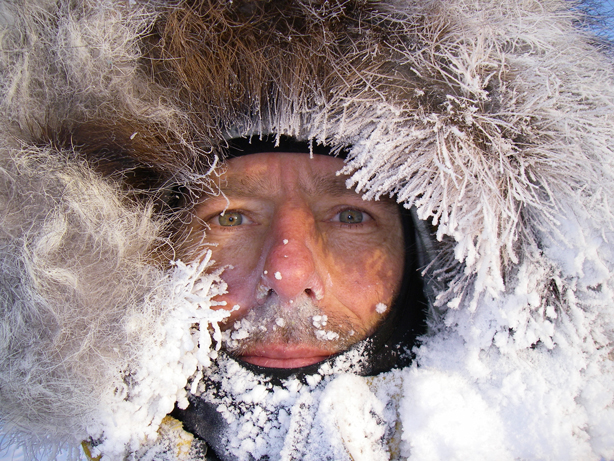
Dixie Dansercoer

Winter polar expedition in Spitsbergen, Svalbard

Climb Mount Vinson at 4892 meters in Antarctica
