
 Expeditions Unlimited blog
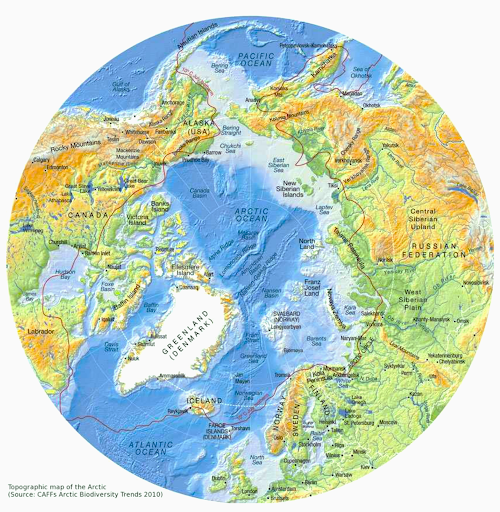
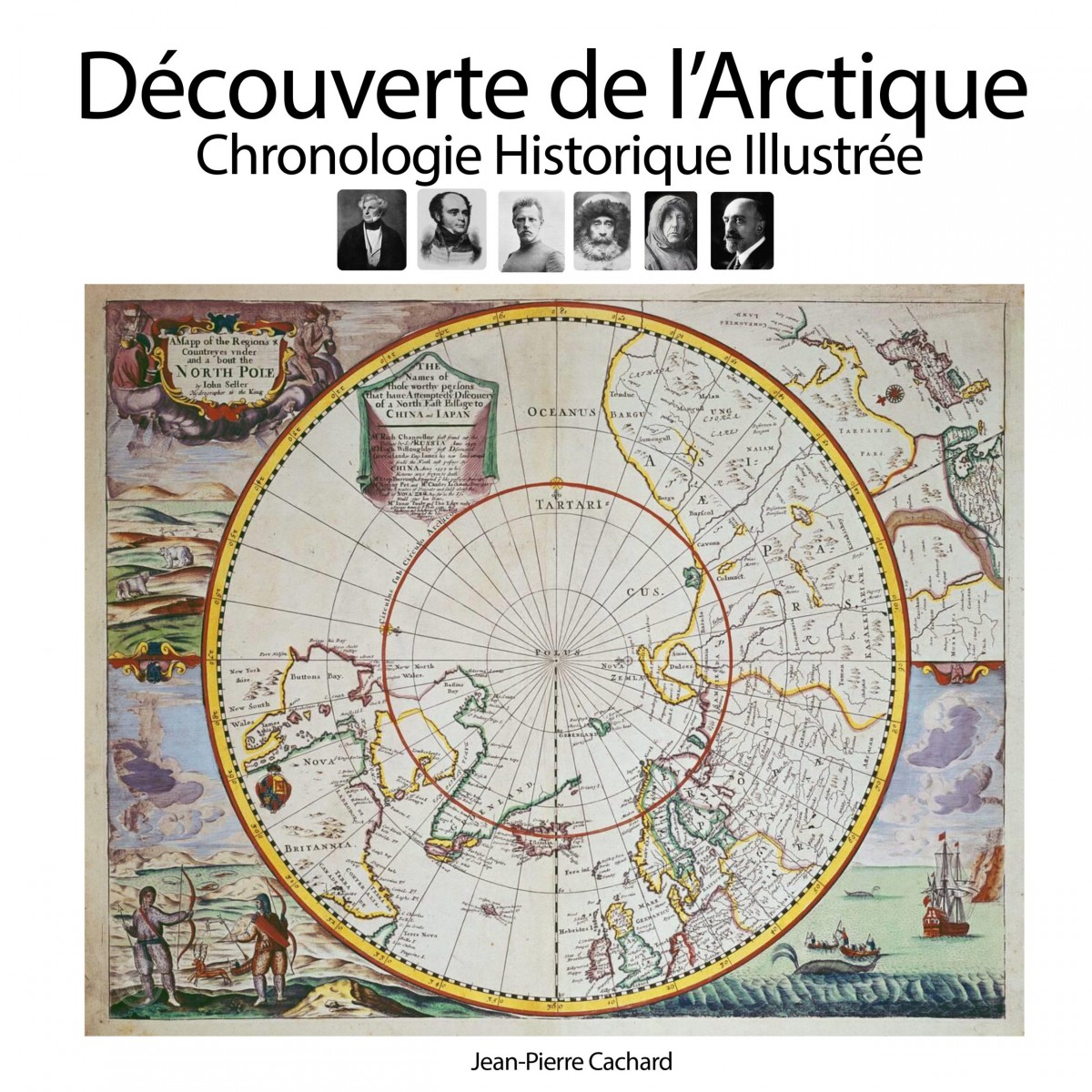
Many have attempted to explore the Arctic. The first expedition to the North Pole, though disputed, was credited to the American Edwin Robert Peary on 6 April 1909. These frozen worlds have fascinated explorers, scientists and sailors since the dawn of time. From 330 BC (Pytheas) until the middle of the 20th century, attempts to reach the North Pole followed one after another, some crowned with success, others tragic. Jean-Pierre Cachard developed a passion for the history of these men and women who contributed to the discovery of this vast ice-covered ocean. Several centuries of adventure that he spent ten years dissecting and bringing together into a unique historical chronology: Découverte de l'Arctique, Chronologie Historique Illustrée (Discovery of the Arctic, an Illustrated Historical Chronology). Drawn from its fine pages, this article sketches a quick portrait of some of the most emblematic polar explorers.
Why this book?
"In 2003, during my first cruise in the Arctic, more precisely in Svalbard, with Catherine, my partner, we discovered a world that was completely new to us, after that of the oceans we knew from scuba diving. It was the revelation of the white of the pack ice and the glaciers after the blue of the oceans, and from then on I sought to learn more about the Arctic, the roof of the world, about the men who made its discovery and those who have inhabited it since time immemorial.
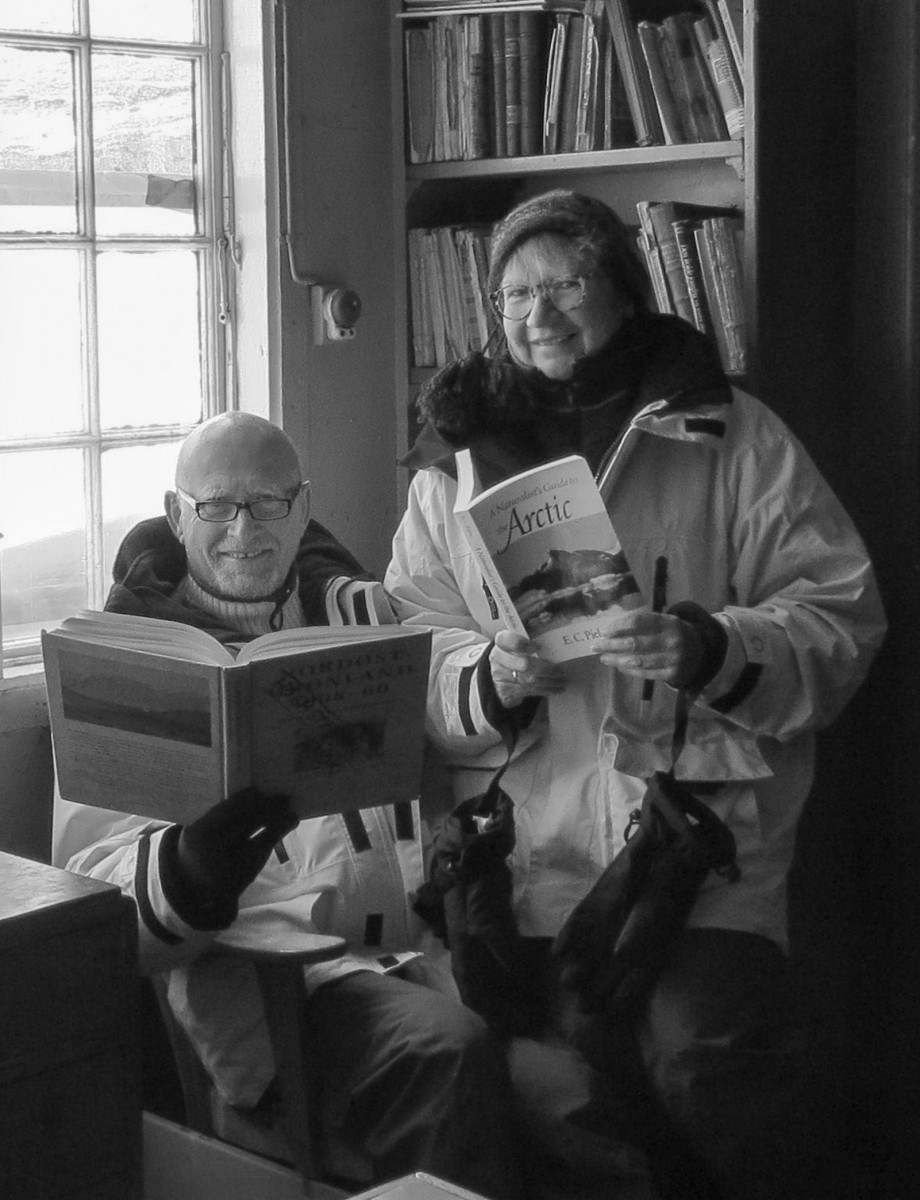
Over the course of about ten years, reading explorers' books and researching on the internet enabled me to track down more than 500 expeditions, from that of Pytheas to those of the middle of the 20th century. Encouraged by my partner and friends, I produced a historical chronology of these explorer-discoverers, illustrated with 850 photographs. The 600 explorers project us, over the years, into a polar world very different from the one we know today, a consequence of climate upheaval."
Jean-Pierre Cachard
Otto Neumann Sverdrup, explorer of the Arctic and companion of Fridtjof Nansen
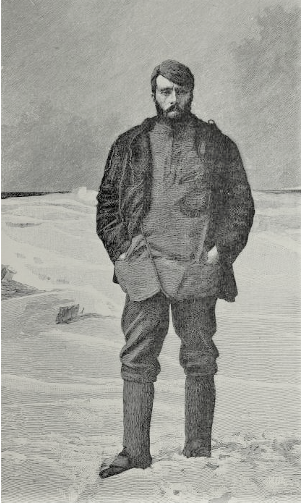
On 31 October 1854, Otto Neumann Sverdrup was born on his parents' farm near Bindalen, in northern Norway. At the age of seventeen he sailed on two ships, one Norwegian and one American. In 1880 he obtained the rank of lieutenant.
The crossing of Greenland on skis
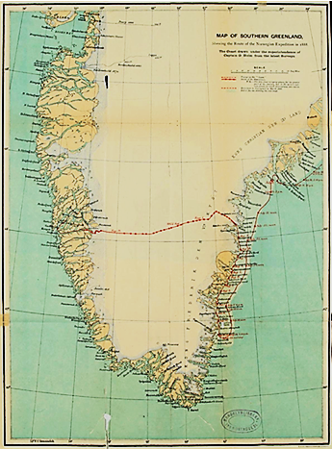
Fridtjof Nansen chose him, along with four other companions, to attempt to cross Greenland on skis. 14 August 1888 was the departure day for this first crossing of Greenland from east to west. During this crossing they rigged a sail on their sledges, which allowed them to use the strong winds to increase their speed.
In September, they reached the great Ameralik fjord, 64° 7' N 51° W, which leads to Godthåb. The crossing of the Greenland ice sheet was accomplished.
Trapped by the ice
In 1890, Fridtjof Nansen declared to the Geographical Society of Christiania (Oslo) that he would succeed in reaching the North Pole because he was convinced he knew the right route. To this end, he had a ship built, the Fram, which would allow him to become caught in the pack ice and thus drift towards the North Pole.
Otto Neumann Sverdrup was the captain of the Fram for this expedition. The ship left the port of Oslo on 24 June 1893 and sailed along the Norwegian coast.
Unfortunately, on 22 September 1893, the pack ice gripped the Fram in a vice, at position 78° 30' N, and it could not free itself for many long months. For three winters, it drifted without being able to approach the North Pole.
- 2 June 1896, the Fram, freed from the ice, found itself in open water.
- 20 July, the Fram docked at the port of Tromsø in Norway.
- 9 September 1896, the Fram made a triumphant entrance into the port of Christiania.
Axel Heiberg Island
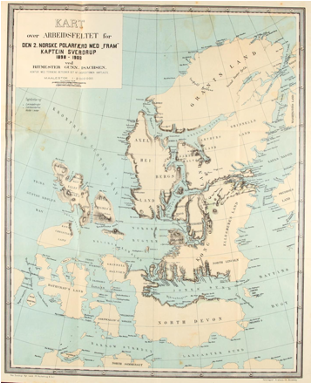
In collaboration with Fridtjof Nansen, he came up with the idea of an expedition aboard the Fram in order to explore the Nares Strait and the Kane Basin, which separate Ellesmere Island from Greenland, and if possible to sail around Greenland. It was financed by Consul Axel Heiberg and the brewing company of the Ringnes brothers.
Sledge expeditions led to the discovery of new islands, bays and straits, to which he gave the names of Axel Heiberg in honour of their sponsor, Norwegian Bay, Eureka Sound and Nansen Sound, and the immense Greely Fjord, which he named in honour of Washington Adolphus Greely.
The expedition also led to the discovery of three other islands to the west of Axel Heiberg Island; he named the first two Amund Ringnes and Ellef Ringnes in honour of his backers, and the third King Christian, for King Christian IX of Denmark. This archipelago is known today as the Sverdrup Islands. On his return, he declared that he had taken possession of these islands for Norway in the name of King Oscar, but Canada bought them back from Norway in 1930, and the Canadian government paid Sverdrup $67,000 for his original documents, maps and daily reports.
The rescuer aboard the Fram
1914. Otto Neumann was invited by the imperial government of Russia to take command of the whaler Eklips to search the Kara Sea for the expeditions of V. A. Rusanov and G. L. Brusilov, of whom no news had been received. He found no trace of them, but during the winter he spent on the coast of the Taymyr Peninsula, he made possible the evacuation of half the crews of the two icebreakers Taymyr and Vaygach.
1920. At the request of the Soviet government, he took command of the icebreaker Svyatogor to rescue the passengers and crew of the ship Solovey Budimirovich, which was stuck and adrift in the Kara Sea, with their food and coal reserves almost exhausted.
1921. Aboard the icebreaker Lenin, he escorted a convoy of five cargo ships from the Ob River to the mouth of the Yenisei River. He thus contributed to the development of Soviet maritime transport in these regions.
On 26 November 1930, Otto Neumann Sverdrup died, having spent 7 seasons as captain of the Fram. The ship is exhibited today at the museum in Oslo.
In the footsteps of the great explorers, complete the crossing of Greenland from east to west by ski-kite.
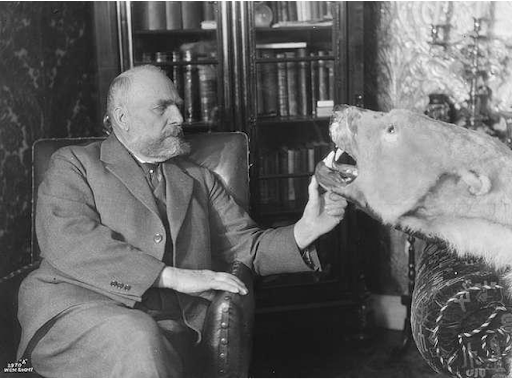
Louise Arner Boyd, "the girl who tamed the Arctic"
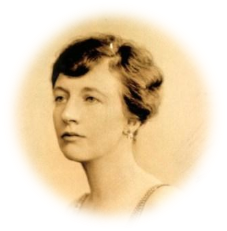
Daughter of John Franklin Boyd and Louise Cook Arner, Louise was born on 16 September 1887. At the age of 14, she lived through a tragedy with the sudden death of her two older brothers, who had only just become teenagers. After the death of her parents, at the age of 32, she became the sole heir to their fortune.
First steps to the North Pole
Passionate about photography and travel, in 1924 she undertook a first excursion to Spitsbergen, which was a true revelation for her. From then on she thought of only one thing: exploring these polar regions.
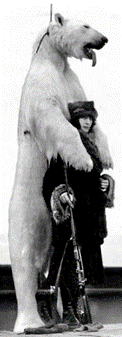
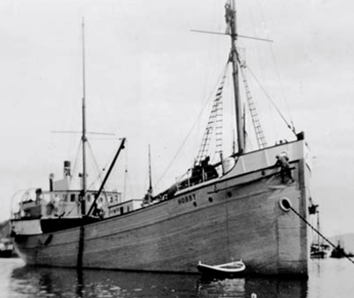
Aboard the ship Hobby, previously used by the explorer Roald Amundsen, she set off with her friends, the Count and Countess of Ribadavia, for six weeks to Franz Josef Land to hunt polar bears. In addition to this, she immortalised the local wildlife and collected numerous plants. On her return, the newspapers nicknamed her "the Diana of the polar regions" or "the girl who tamed the Arctic".
In search of Roald Amundsen
1928. Return to the Arctic with her friends aboard the ship Hobby. On their arrival at Ny-Ålesund, Spitsbergen, she learned the bad news of the disappearance of Umberto Nobile, who had set off with the airship Italia towards the pole, as well as that of Roald Amundsen, who had gone in search of him aboard the aircraft Latham 47.
She therefore decided to take part in the search for these two explorers, without success. On her return, she was nonetheless decorated with the Order of Saint Olav by King Haakon VII of Norway and with the Legion of Honour by the French government.
Scientific expeditions
The American Geographical Society sponsored four expeditions during which she took numerous scientists to the east coast of Greenland and to Jan Mayen Island, aboard the ship Veslekari. In 1935, she published The Fiord Region of East Greenland.
1941. She made a new scientific expedition aboard Captain Robert Bartlett's ship Effie M. Morrissey to Baffin Island and Labrador.
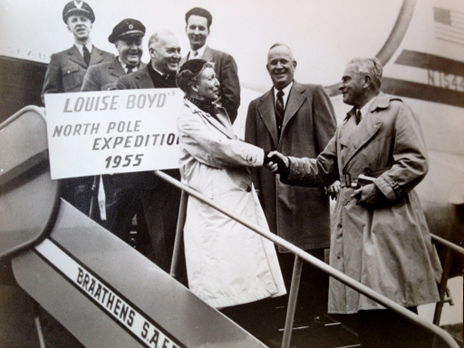
On 16 June 1955, she became the first woman to fly over the North Pole, aboard a DC-4.
Louise Arner Boyd died in San Francisco on 14 September 1972.
Reach the geographic North Pole on ski-pulka.
Find out more about the discovery of the Arctic
Discover the complete stories of the men and women who contributed to the discovery of the Arctic in the book Découverte de l'Arctique, Chronologie Historique Illustrée (Discovery of the Arctic, an Illustrated Historical Chronology), published by ABBATE-PIOLE in the second half of 2022.

Polar expedition on the Arctic Circle Trail

Polar expedition in Queen Maud Land in Antarctica
