
 Expeditions Unlimited blog
Each winter, the fjords of northern Norway become the setting for one of the greatest spectacles on the planet: shoals of herring in their millions, and behind them the resident orcas and humpback whales that come to feast. From our traditional Norwegian sailing vessel, we take small groups of 6, on just 3 departures between November and December, as close as possible to the most fascinating animals of the marine world.
We have two full departures:
- from 2 November to 10 November 2026
- from 10 November to 18 November 2026
We still have places from 18 November to 26 November 2026! To sign up, you can click here.
As this is a seriously out-of-the-ordinary journey, the questions are many. We answer them here.
Swimming with orcas in Norway: 8 questions everyone asks (and the answers from Sébastien, our guide)
For more than 8 years now, our team has been organising these water entries in the fjords of Tromsø, at 69° north. With hundreds of immersions with cetaceans to their name, our guides have all the experience needed to answer you precisely.
1. Is it dangerous to swim with orcas?
© Sébastien Royer
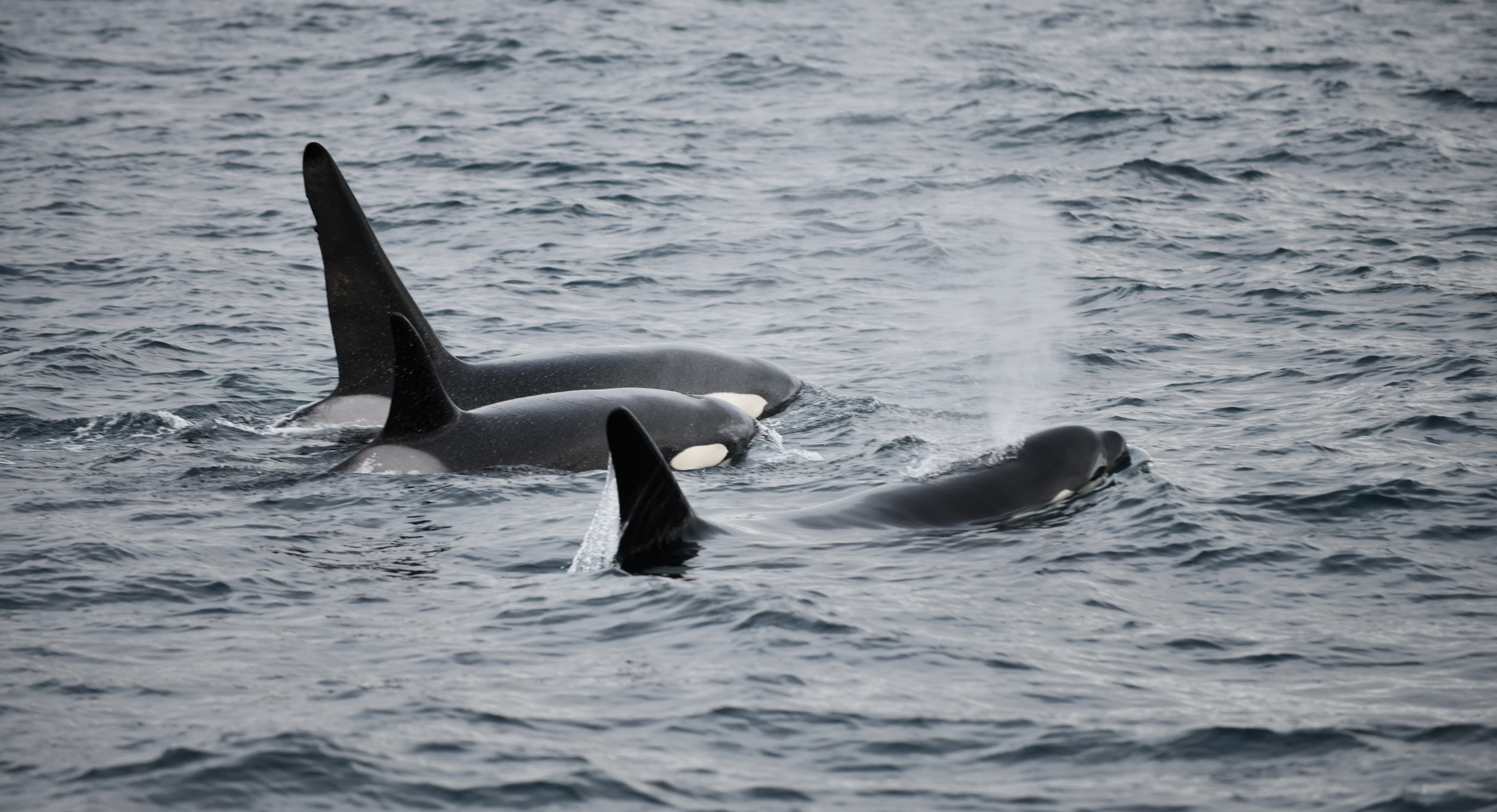
No, and it is probably the question we are asked most often. Norway's orcas are "resident" populations that feed exclusively on fish, and more particularly on herring. You are quite simply not on their menu. No attack by a wild orca on a swimmer has ever been documented in these waters; the only known incidents involve captive animals, in an entirely different context.
The real safety factor, then, is not the animal but the sea and the cold. This is precisely where our set-up makes the difference: a qualified freediving guide permanently in the water with you, a group limited to 6 people, plus a skipper and crew keeping constant watch from the sailing vessel and the zodiac. Approaches are carried out according to precise principles, which you will discover at the first briefing on board. The guide remains the sole judge of the decision to enter the water or to cut an encounter short.
2. Is it really that cold?
© Sébastien Royer
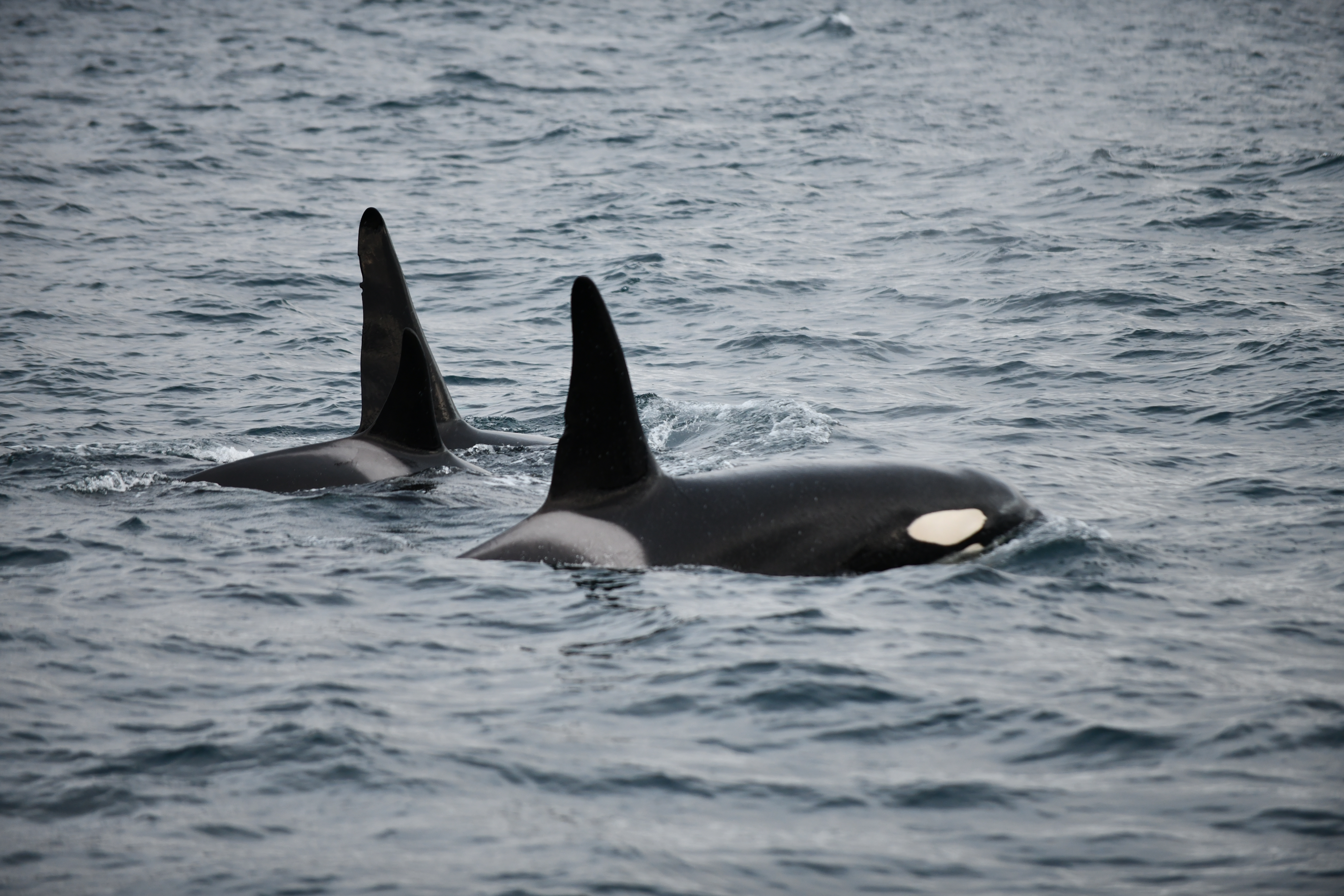
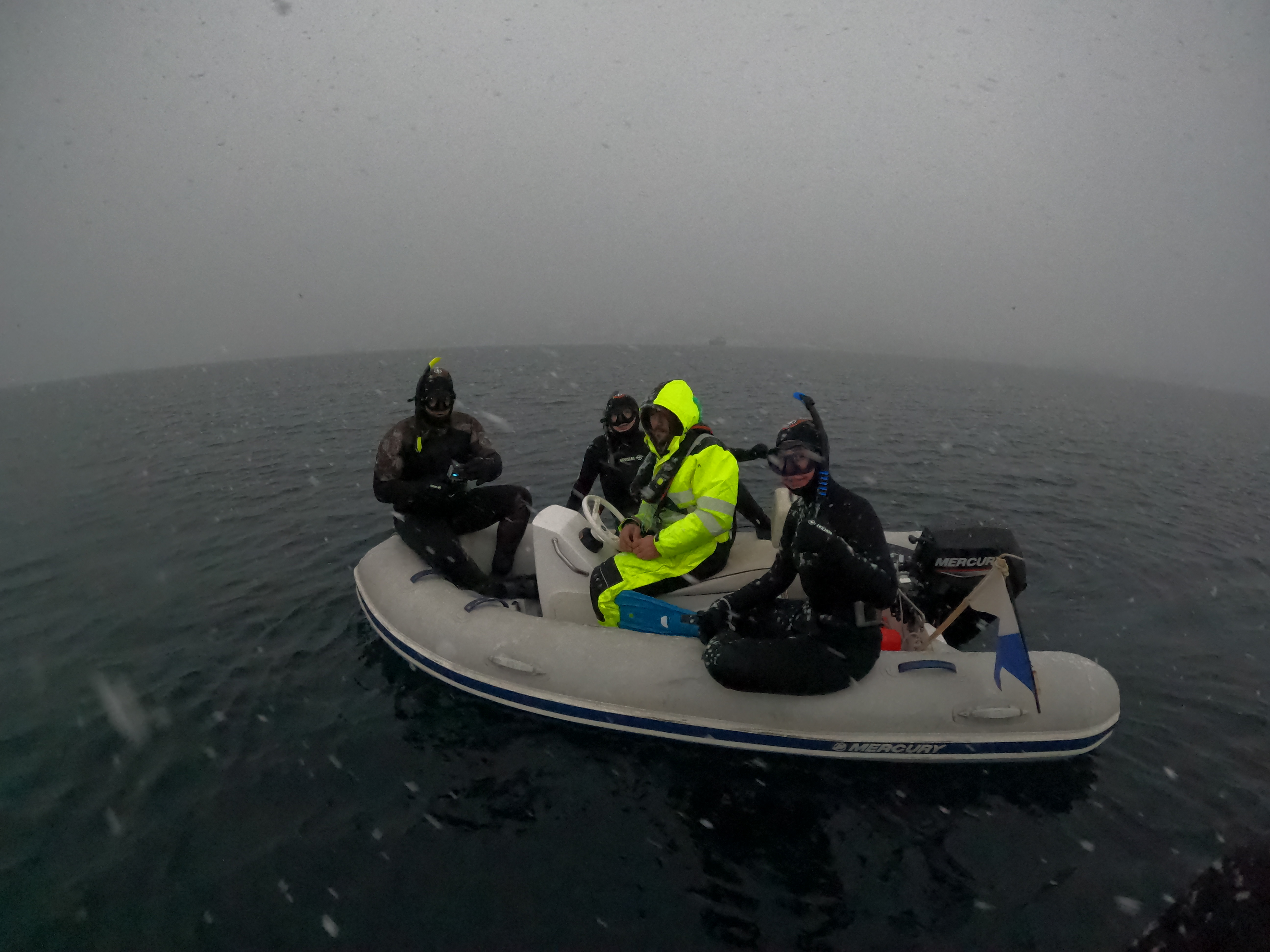
Let's be honest: yes, it is the Arctic in winter, above the polar circle. The water is around 6 °C and the air can be considerably more biting, especially on the way back on the zodiac, in the wind. But this cold is very manageable with suitable equipment.
A few concrete markers: we alternate between water entries from the zodiac and warming up back on board; the vessel is heated, full board is served on board, and the days are paced so as to spare everyone. The golden rule our guide keeps repeating: you don't get cold in the water when you are well equipped; it is at the surface, wet and exposed to the wind, that you get chilled. Hence the importance of choosing the right equipment.
3. What gear do I need to bring?
© Sébastien Royer
Freediving equipment is not included: this is deliberate, because thermal comfort depends greatly on each person's build, and over the years we have precisely defined the equipment that "works":
-
A 7 mm spearfishing wetsuit offers the best warmth/flexibility compromise.
-
5 mm neoprene boots and gloves.
-
Fins, mask and snorkel.
-
Weight belt: we provide the weights on the boat.
Of course, we are here to advise you precisely on which models/brands to buy and which shops to find them in.
4. Do I need to be a certified diver or know how to freedive?
© Sébastien Royer
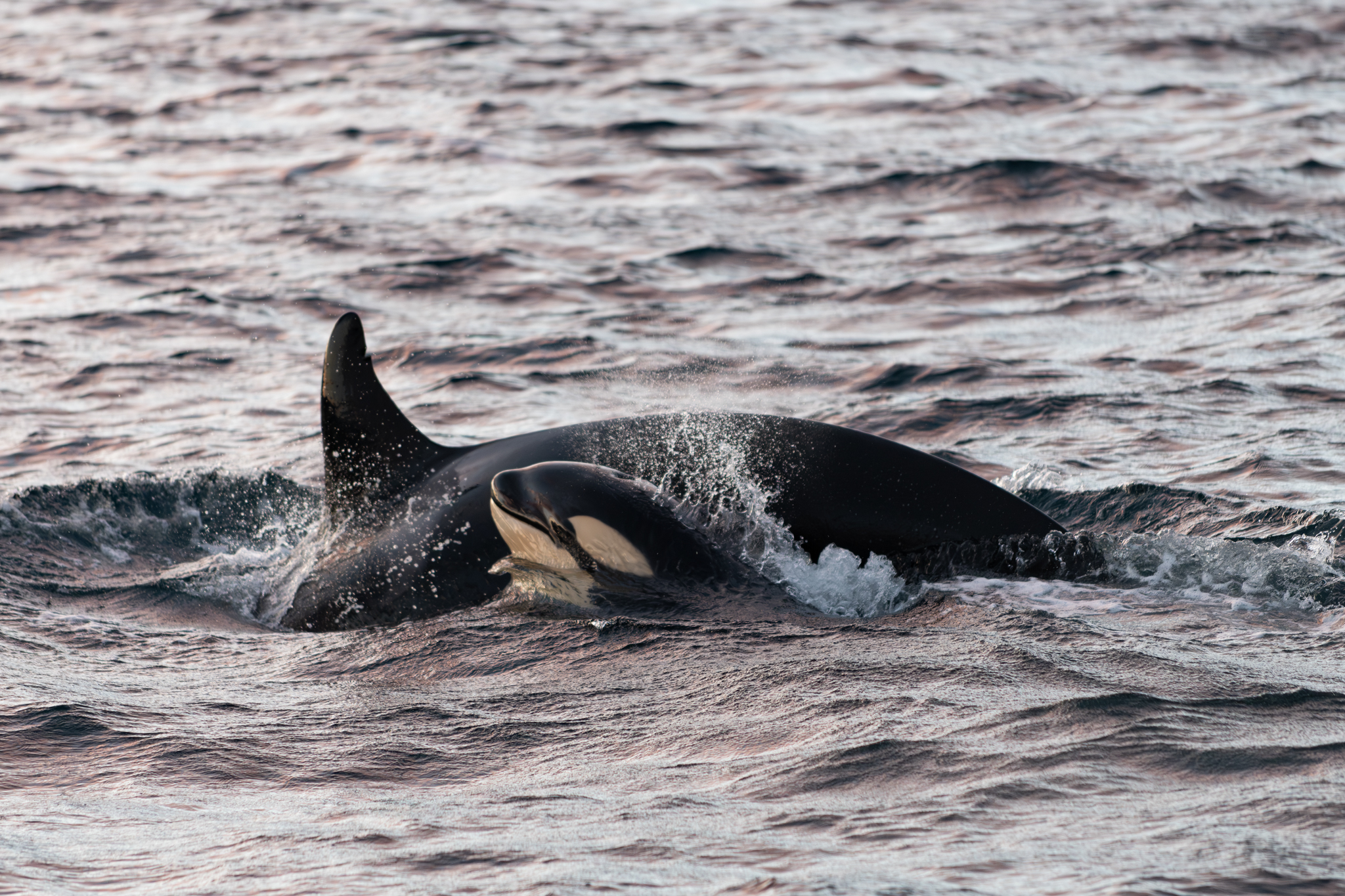
No. And this is an important point: this is not scuba diving, which is prohibited with cetaceans. In Norway, we approach the orcas at the surface, in fins, mask and snorkel, snorkelling and, if you are comfortable, freediving for short immersions.
What you do need, however, is to be able to swim and to be at ease in the water. From the very first day at sea, we always carry out a "check dive", that is to say a test entry, in order to adjust the gear, gauge the temperature, learn how to get into the water and back up onto the zodiac, and then make sure everyone is comfortable before the real encounters.
5. What level of fitness is required?
© Sébastien Royer
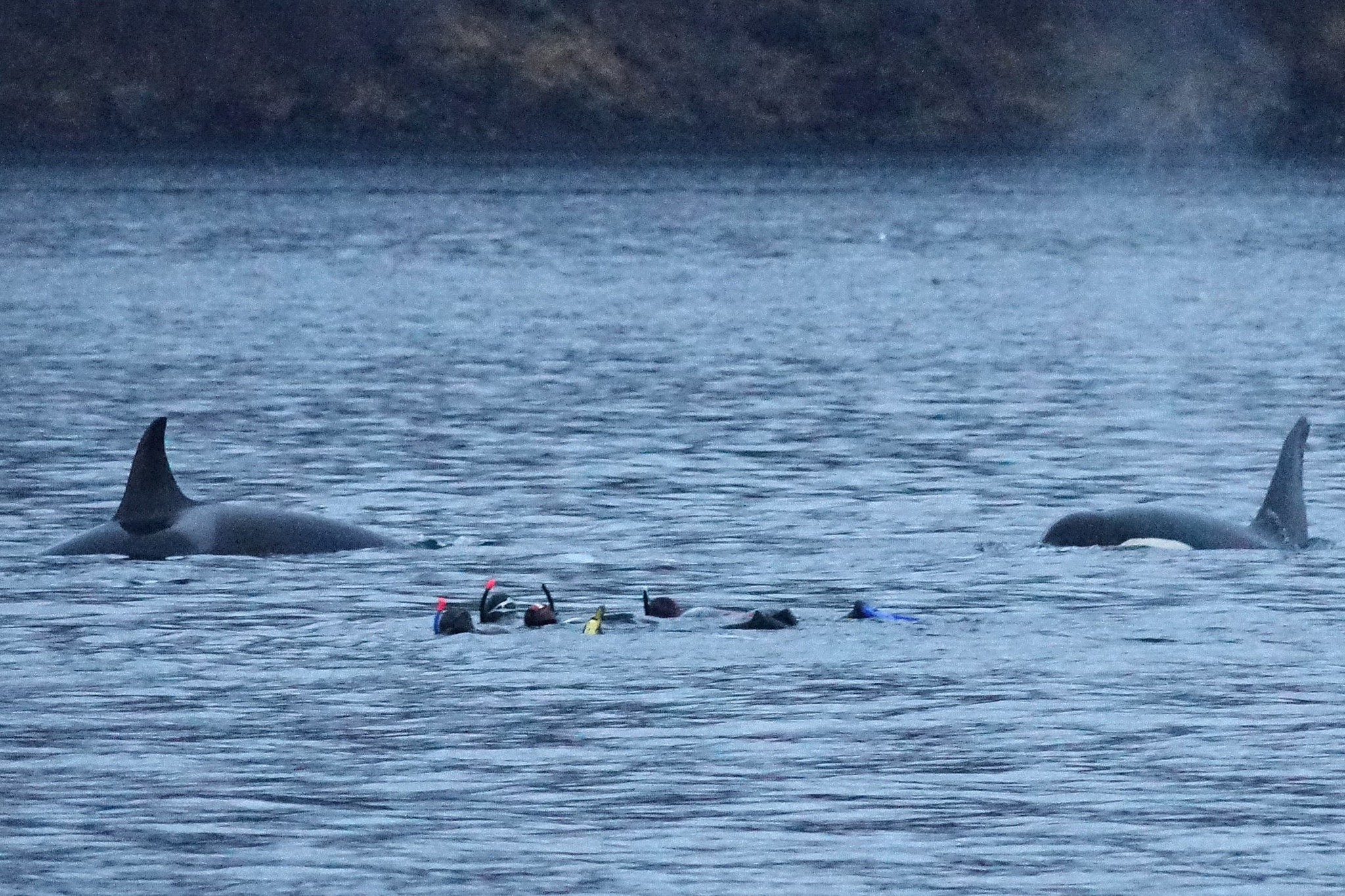
The trip is open to anyone in good health who takes regular exercise, at least weekly. You don't need to be an athlete, but swimming in cold water, managing your gear and getting on or off the zodiac call for a minimum of tone and endurance.
If you have any doubt; health, age, aquatic ease, talk to us about it: we are very transparent about what each day really demands.
6. Why November? Will we really see orcas?
© Sébastien Royer
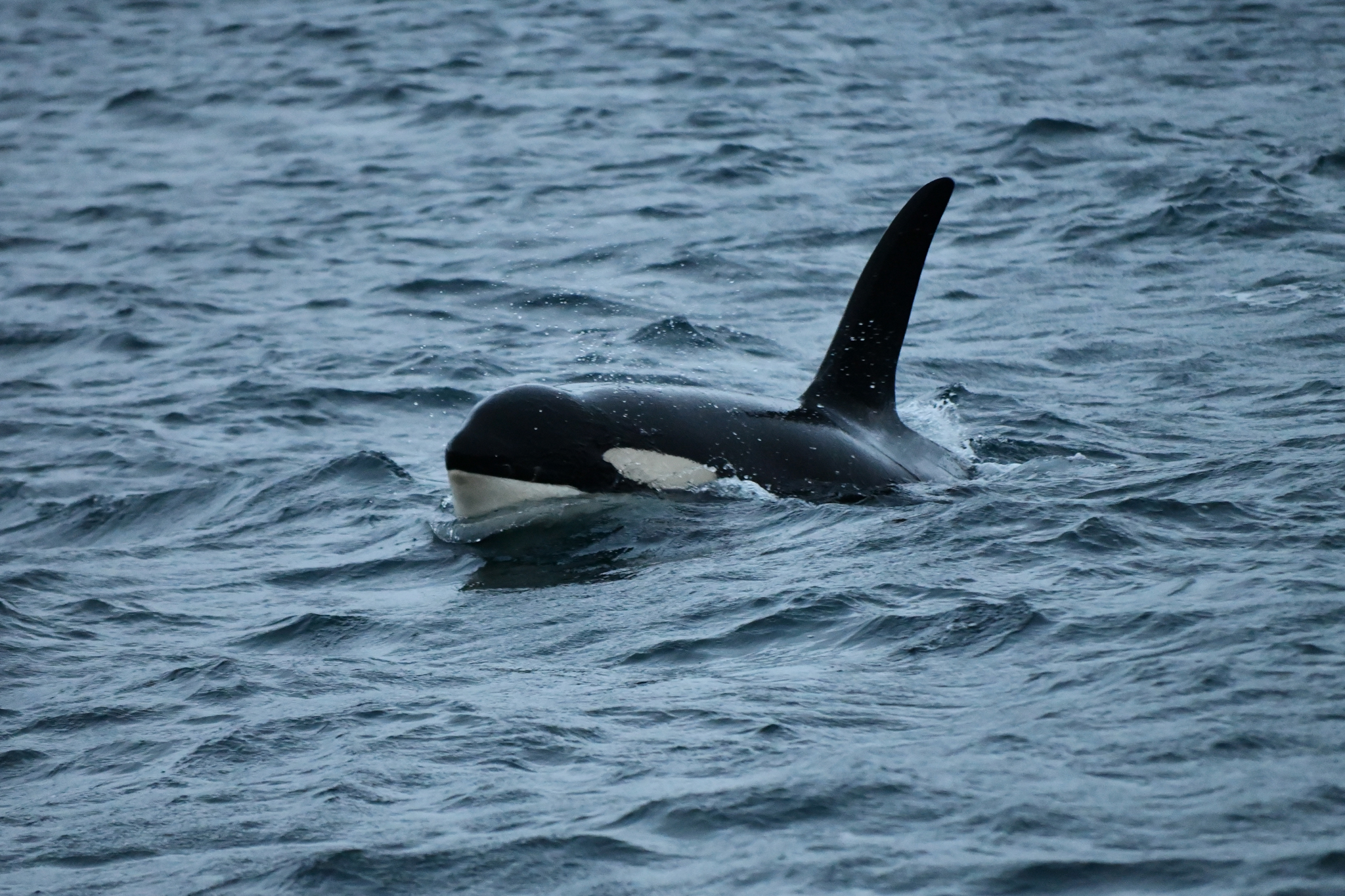
The choice of season is no accident. Every early winter, from the end of October, immense shoals of herring come to take refuge in the calm, deep waters of the Troms fjords. It is a windfall for their predators: the resident orcas, but also the humpback whales, which stop off here during their long migration to the tropics. Concentrating the trip on this window means positioning ourselves where the food is and therefore the animals.
No serious operator will guarantee you an encounter: these are wild animals, and nature remains in charge. But, over the years, we have developed an excellent knowledge of the areas where the animals gather, in order to maximise the chances of interaction.
7. Why a sailing vessel and a group of just 6?
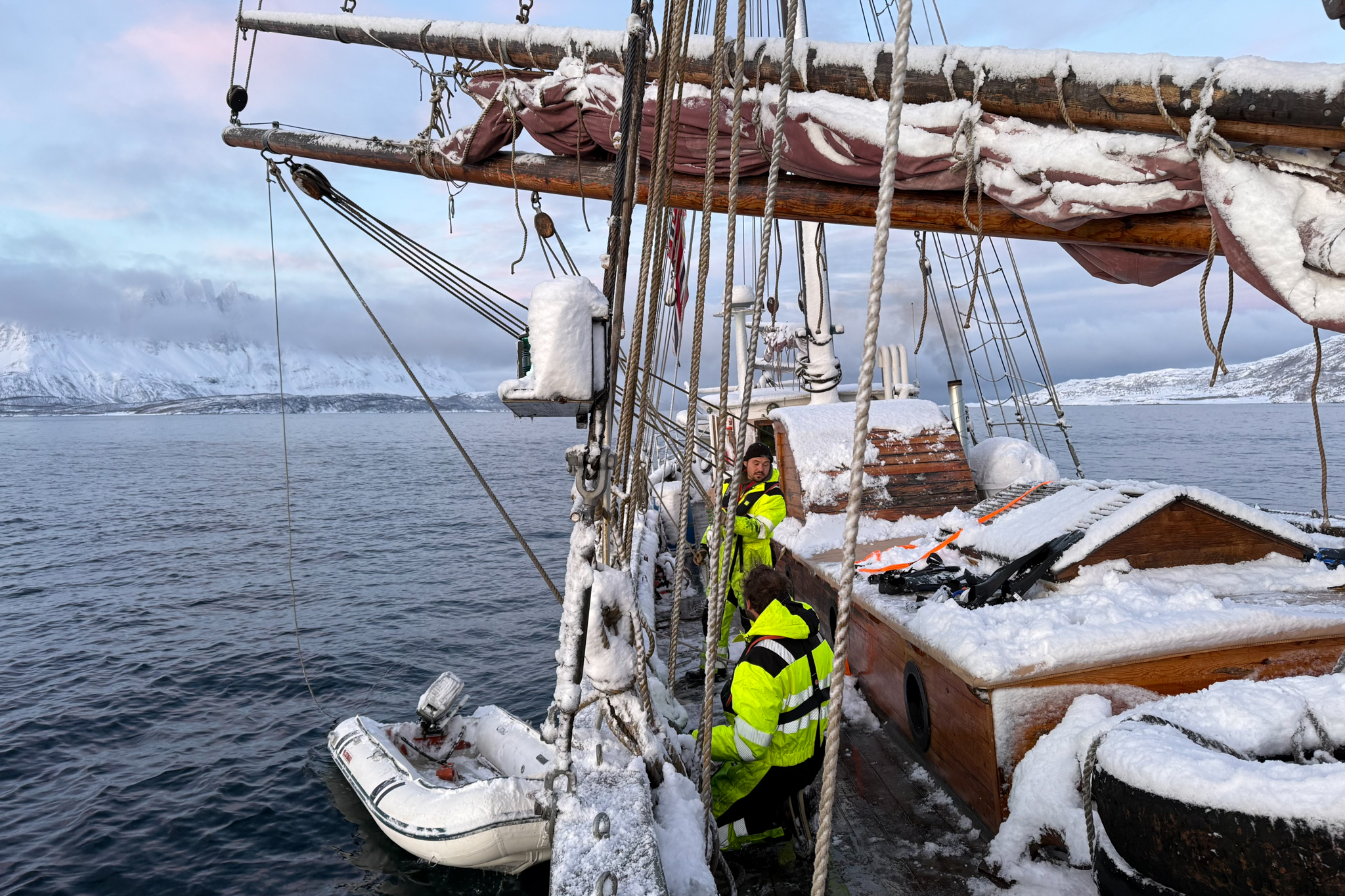
Because the quality of the encounter takes precedence over everything else. A group limited to 6 participants means fewer people in the water, faster and safer entries, minimal disturbance to the animals, and better chances of arousing their curiosity.
The zodiac always stops at a distance: it is then up to us to cover the last few metres by fin. This slow, discreet "swimming" approach is both the most ethical and the one that offers the finest interactions.
The sailing vessel, an old Norwegian rig, offers a fully comfortable floating "base camp" and the assurance of being able to reach the best observation spots without constraint. The boat is heated and a cook takes care of treating us between dives.
8. In practical terms, what is included in the price?
The expedition includes:
-
Accommodation and full board aboard the sailing vessel (8 nights).
-
Support from a qualified freediving/diving guide, a specialist in Norwegian waters.
-
An unlimited number of zodiac outings and water entries.
-
A professional French-speaking crew (skipper, mate, guide).
Still have questions?
Contact your guide now: sebastien@secret-planet.com
